
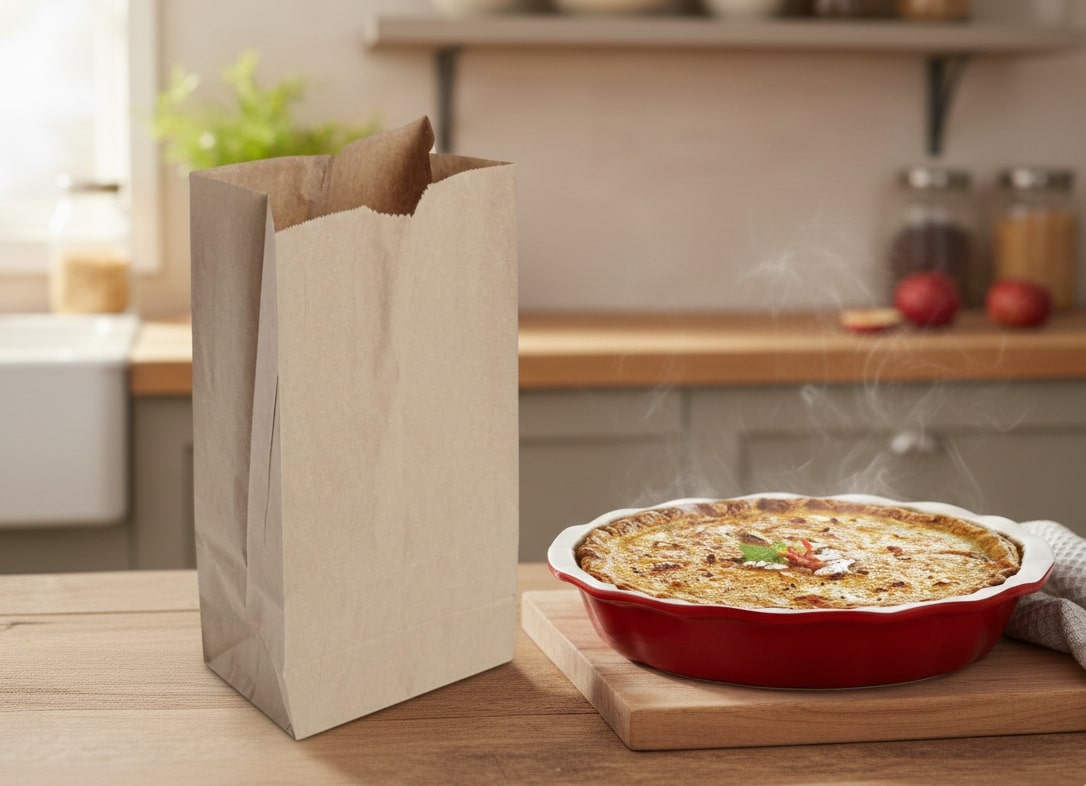
The search volume for “apple pie recipe” has skyrocketed across the US this November, but the conversation has shifted. We aren’t just talking about Grandma’s classic recipe anymore. The 2025 holiday season is defined by a mix of nostalgia and viral innovation—from the resurgence of the “Paper Bag Apple Pie” method to the elegant, no-stress “Shingled Crust” technique.
However, the secret to a bakery-quality pie isn’t just in the ingredients; it’s in the hardware. To help you navigate these trends without filling your kitchen with useless gadgets, I’ve reviewed the five absolute must-have tools. These reviews are honest, practical, and focused on solving the specific “pain points” of baking the perfect American apple pie.
*The audio was converted from my blog and generated using NotebookLM
Advertising Disclosure
1. The Cast Iron Apple Peeler, Corer, & Slicer
The Viral “Time-Saver”
If you have seen those mesmerizing TikTok videos where an apple is processed into a perfect spiral in seconds, this is the tool responsible. For the 2025 holiday season, the heavy-duty cast iron versions (like the Johnny Apple Peeler style) are the top choice over flimsy plastic alternatives.
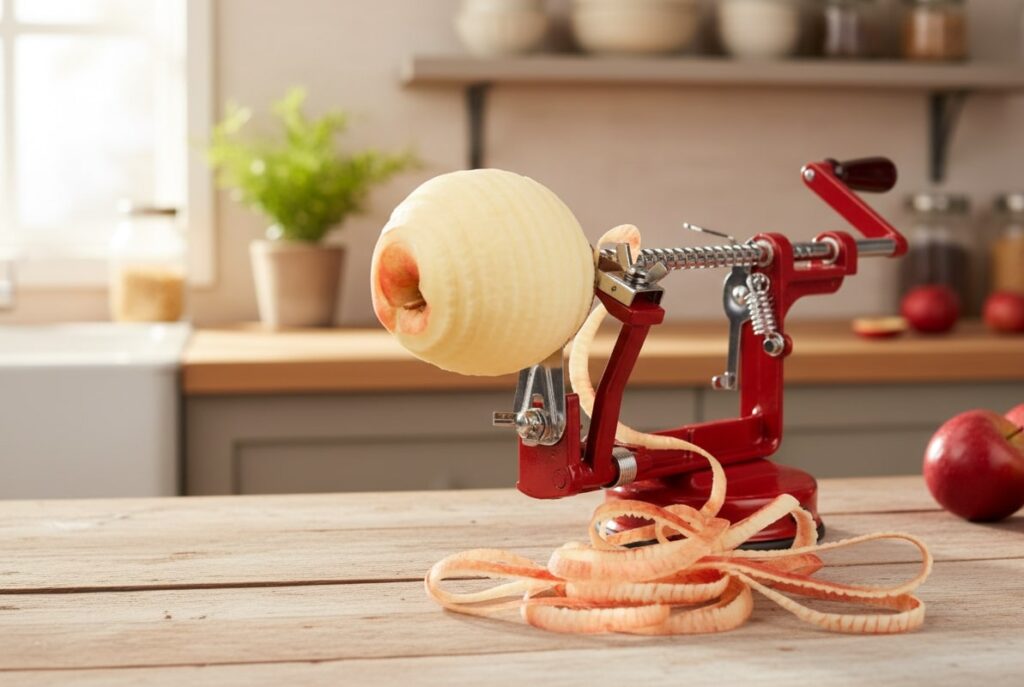
- This tool is a workhorse. It peels, cores, and slices simultaneously with a simple hand crank. The suction base is generally strong, but it requires a perfectly smooth, dry counter to stick properly. If your counters are textured or tiled, you might struggle with stability.
- Why it matters for Apple Pie: Beyond saving time, this tool creates apple slices of uniform thickness. Uniform slices cook evenly and stack compactly, which is crucial for preventing “the gap”—that annoying hollow space that forms between the filling and the top crust when apples shrink unevenly.
2. Deep-Dish Ceramic Pie Plate
The “Oven-to-Table” Aesthetic
While metal pans conduct heat faster, high-quality ceramic dishes (like those from Emile Henry) are dominating the conversation this year for their ability to hold heat and look stunning on a Thanksgiving table.
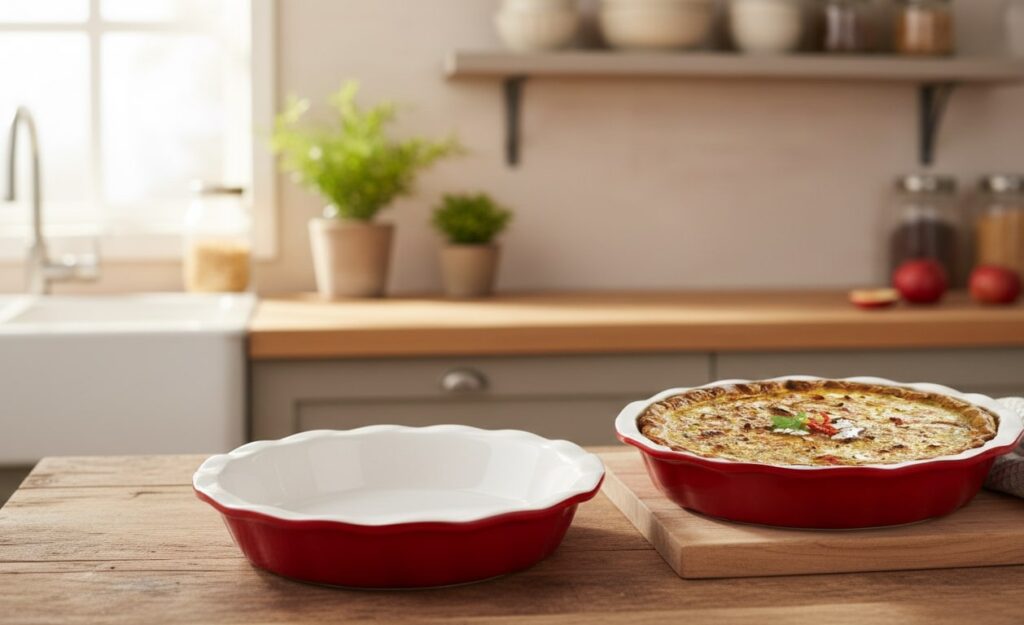
- Ceramic dishes are heavy, durable, and resistant to scratching when you cut slices directly in the pan. The ruffled edges on many models make crimping the crust fool-proof. The downside? Ceramics heat up slower than metal, which can sometimes lead to a pale bottom crust.
- Pro Tip: To avoid the dreaded “soggy bottom” when using ceramic, place a metal baking sheet in the oven while it preheats. Place your ceramic pie dish directly onto that hot metal sheet. This blasts the bottom of the pie with immediate heat, helping the crust set before the juices soak in.
3. Stainless Steel Pastry Blender
The Secret to Flaky Layers
With the rise of “shingled” and extra-flaky crusts, keeping your butter cold is non-negotiable. Using your hands warms the butter too fast, and forks are inefficient. A dedicated pastry blender with heavy-duty blades is the solution.
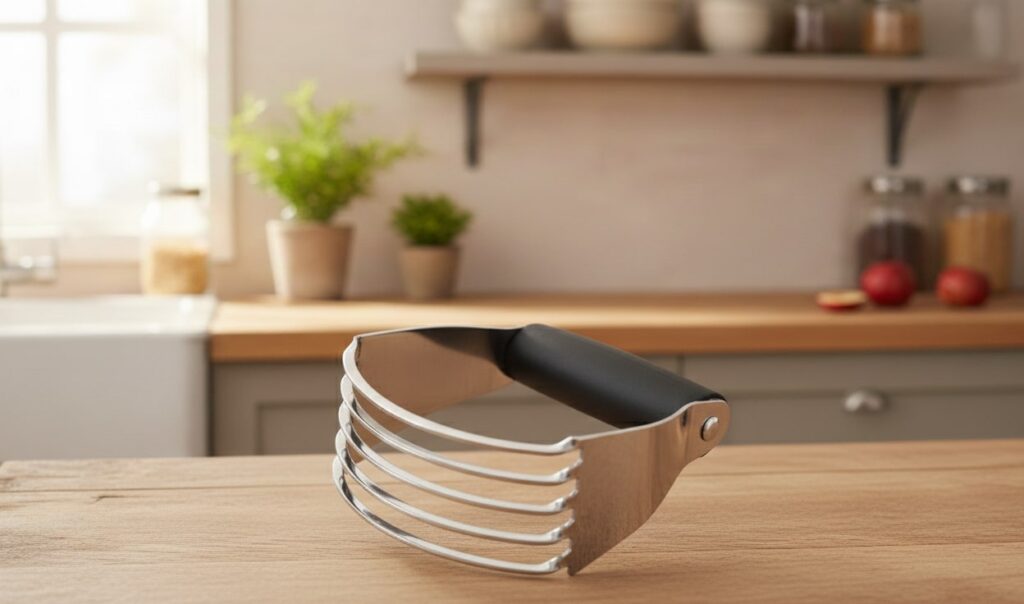
- Look for a blender with a soft, non-slip grip. It cuts cold butter into the flour quickly, creating the pea-sized chunks necessary for a flaky texture. Cheap models with thin wires can bend, so stick to rigid stainless steel blades.
- Why it matters for Apple Pie: For that shatteringly crisp crust, you need pockets of cold butter to explode (in a good way) during baking. This tool ensures you get that texture without overworking the dough, which would make it tough.
4. Food-Grade Brown Paper Bags
The “Paper Bag Pie” Trend
The “Paper Bag Apple Pie” is having a massive moment this year. The technique involves baking the pie inside a sealed brown paper bag, creating a unique steaming environment.
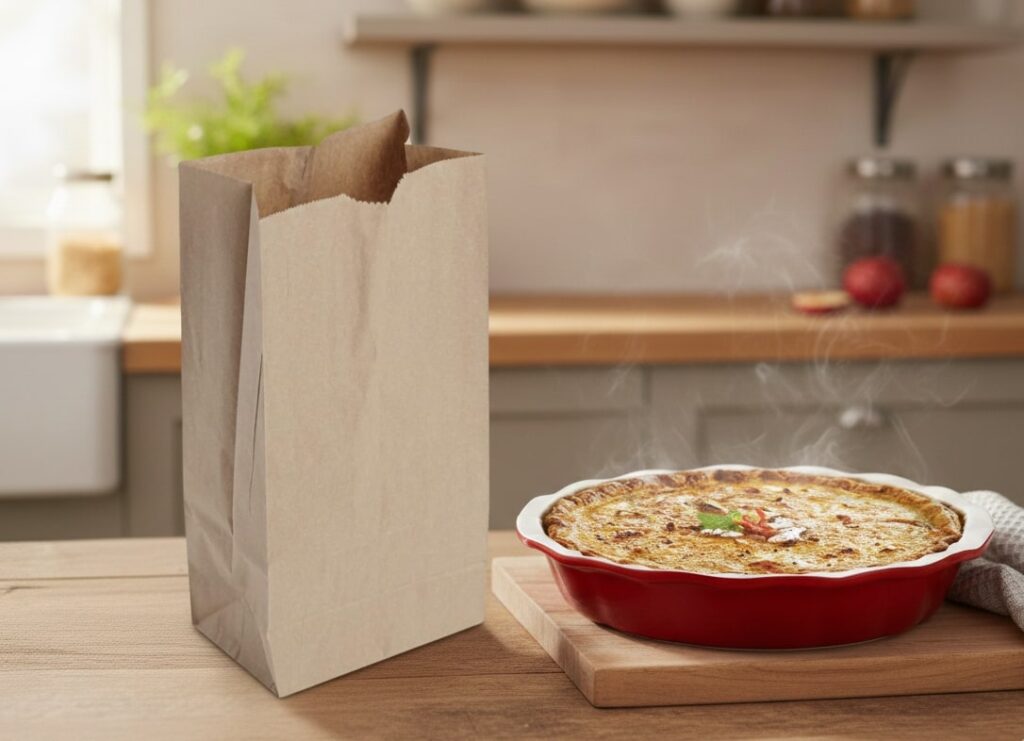
- You cannot just use any bag; you must use heavy-duty, food-grade brown paper bags (often sold as “Kraft” bags) that are free from ink, glue, and recycled chemicals. The method yields a spectacularly tender apple filling and a crunchy streusel topping that doesn’t burn.
- Safety Note: Ensure the bag does not touch the heating elements or walls of your oven to prevent fire hazards. Always place the bagged pie on a baking sheet to catch any leaks.
5. Leaf Plunger Cutters
For the “Shingled Crust” Look
Forget the stress of weaving a lattice. The “Shingled Crust”—where shapes are simply cut out and layered like roof shingles—is the stylish, low-effort trend of 2025.
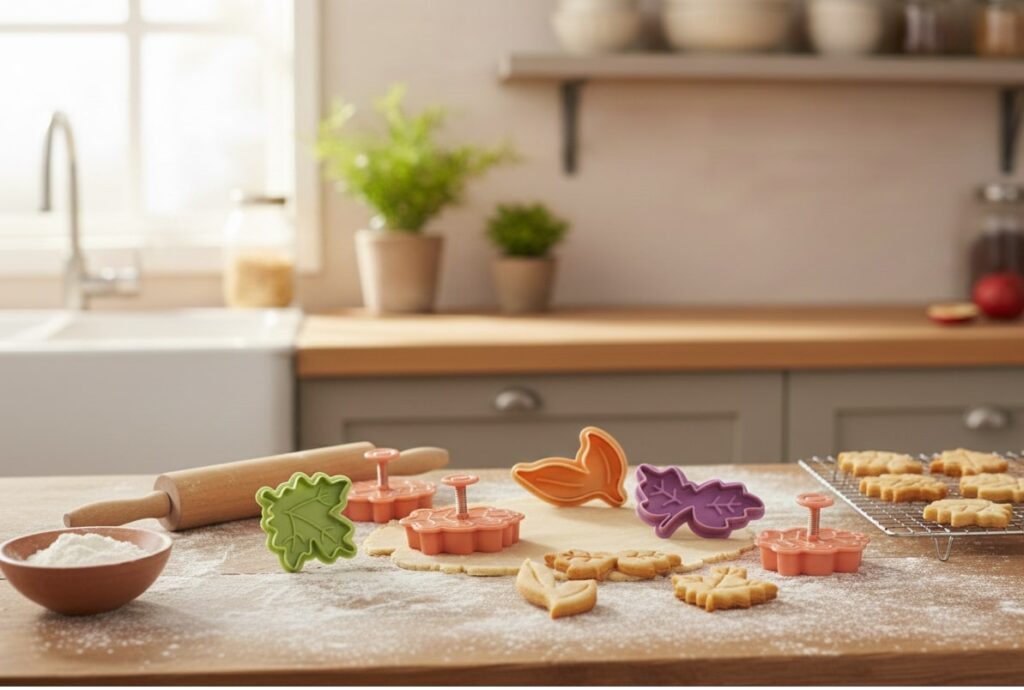
- Spring-loaded plunger cutters (specifically in autumn leaf shapes) make this incredibly fast. They stamp out the shape and imprint leaf veins in one motion. They are generally inexpensive and easy to clean.
- Why it matters for Apple Pie: This isn’t just for looks. Layering these cutouts allows steam to escape from the filling through the many small gaps between the “leaves,” acting as a natural vent system. This helps thicken the juices and prevents the crust from getting soggy.
Bonus: The Flavor Upgrade
If you have the tools, you need the right fuel. Two ingredients are trending for flavor depth:
- Boiled Cider: This syrup concentrates the apple flavor, adding a punch that fresh apples alone can’t provide.
- Saigon Cinnamon: Known for its high oil content and spicy kick, this is the superior choice for a classic American pie profile.
Conclusion
To conquer the 2025 apple pie season, you don’t need a kitchen full of gadgets. You just need the right ones: a sturdy cast iron peeler for prep, a beautiful ceramic dish for presentation, a pastry blender for texture, leaf cutters for easy decoration, and food-grade paper bags if you want to try the year’s hottest baking method.
YOU MIGHT ALSO LIKE: 5 Viral Kitchen Gadgets, 10 Best Small Gas Grills