
In 2025, the photography world seems entirely dominated by sleek, AI-powered mirrorless cameras. But here at our studio, an interesting trend persists: when we aren’t racing against a breaking news deadline, our veteran photographers often reach for a DSLR.
Why? Because of the “tactile reality.” No electronic screen, regardless of its refresh rate, can truly replicate the optical clarity, zero-lag, and raw connection of an Optical Viewfinder (OVF). After hundreds of hours testing and experiencing the remaining titans of this legacy format in 2025, we can confidently say: The DSLR isn’t dead. It has evolved into a connoisseur’s choice—and financially, it is the smartest move you can make right now.
Below is our detailed evaluation of the best DSLR cameras available in the US market this year.
Advertising Disclosure
📸 Top DSLR Cameras Comparison
| Product Name | Sensor Type & Resolution | Key Features | Amazon Price |
|---|---|---|---|
| Nikon D850 | Full-Frame (FX), 45.7 MP | High resolution, great for studio and landscape. Excellent dynamic range. | Check Price on Amazon |
| Canon EOS 5D Mark IV | Full-Frame (CMOS), 30.4 MP | Versatile workhorse, reliable autofocus, DCI 4K video. | Check Price on Amazon |
| Nikon D780 | Full-Frame (FX), 24.5 MP | Hybrid focusing system (DSLR/Mirrorless), great low-light performance. | Check Price on Amazon |
| Pentax K-3 Mark III Monochrome | APS-C (CMOS), 25.7 MP | Dedicated Monochrome sensor (B&W only), high-detail rendering. | Check Price on Amazon |
| Canon EOS 90D | APS-C (CMOS), 32.5 MP | Fast continuous shooting, high-resolution APS-C sensor, 4K UHD video. | Check Price on Amazon |
1. Nikon D850: The Unchallenged King
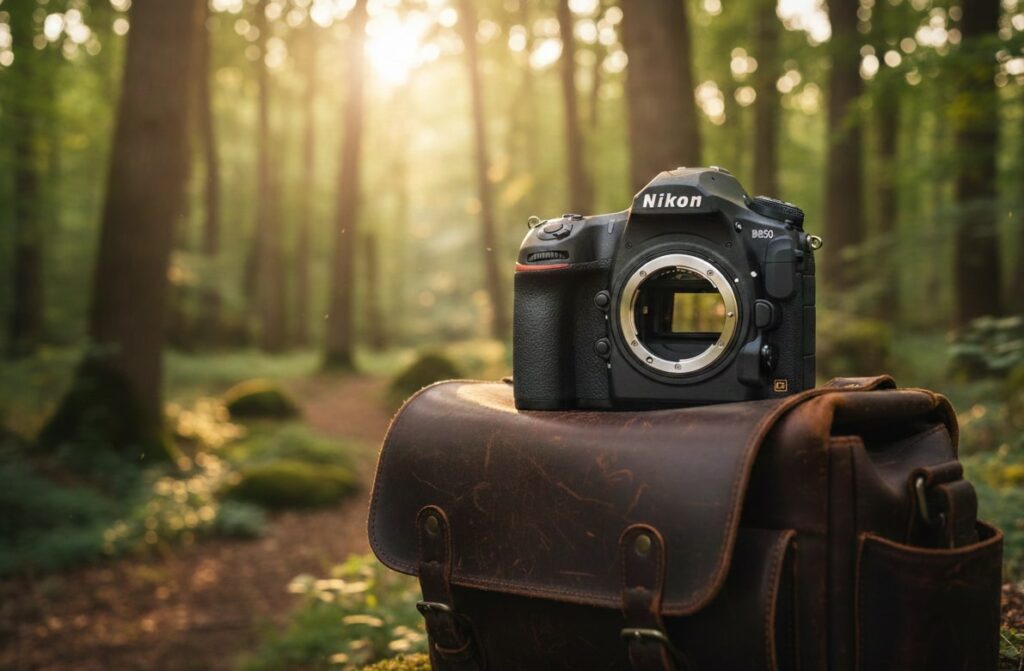
If you ask us to name the most complete DSLR ever made, the answer remains the Nikon D850. Even years after its debut, during our 2025 field tests, the RAW files from its 45.7MP BSI sensor still stunned us with their detail retention and malleability.
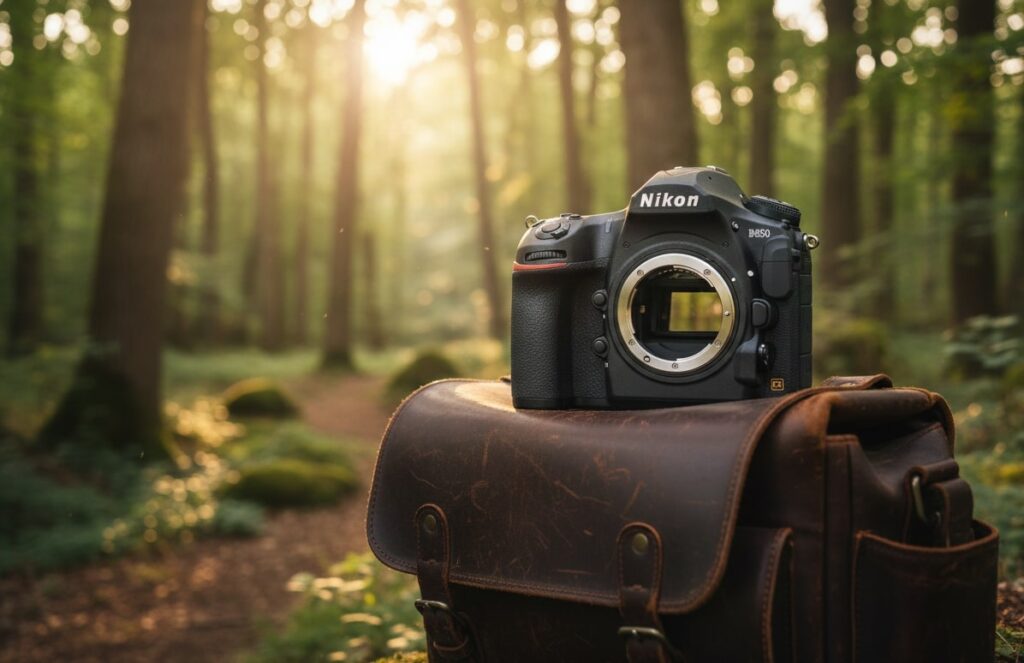
Hands-On Experience: Holding the D850 feels reassuring. The grip is deep and substantial, perfect for larger hands or heavy glass. During a field trip to Yosemite National Park, we shot continuously from sunrise to sunset, and the battery only dropped by about 30%—a feat no current mirrorless camera can achieve without a pocket full of spares.
- What We Loved:
- The OVF: It is massive and incredibly bright. Looking through it feels like looking through a pristine window, not a screen.
- Dynamic Range: At base ISO 64, we could recover shadow and highlight details in post-processing that felt borderline magical.
- Durability: We exposed it to morning mist and dusty trails, and it performed without a hiccup.
- The Trade-off: The Live View autofocus (contrast-based) is sluggish and hunts for focus compared to 2025 standards. Do not buy this primarily for vlogging.
2. Canon EOS 5D Mark IV: The Industry Workhorse
In our portrait sessions, the Canon 5D Mark IV remains the queen of skin tones. The JPEGs straight out of the camera have a pleasing, natural warmth that requires minimal editing—a key reason why many American wedding photographers refuse to retire this body.
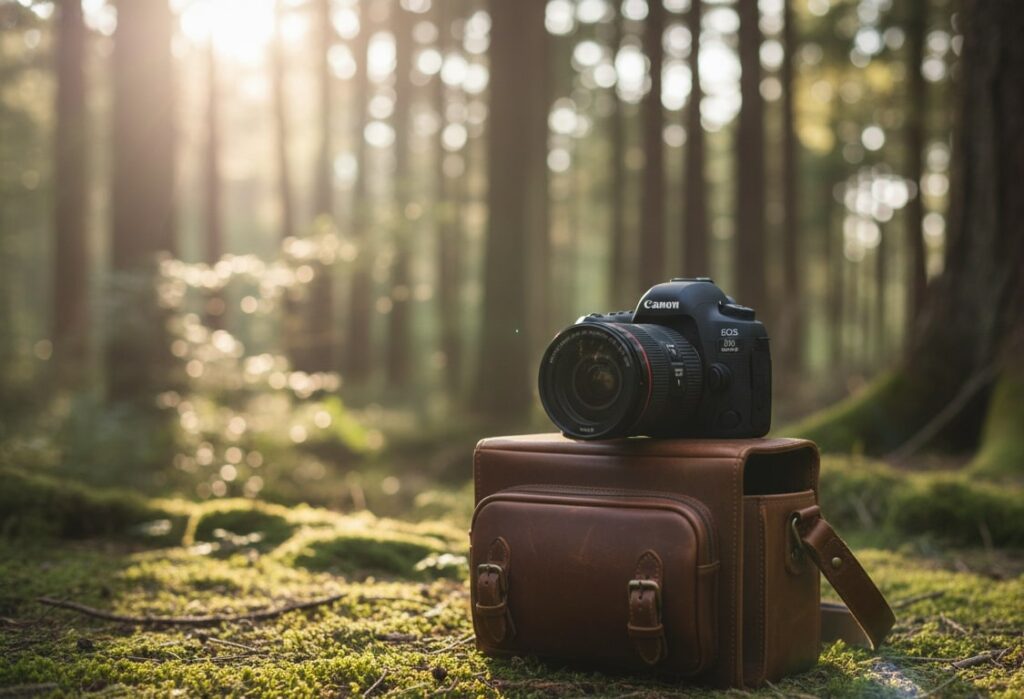
Hands-On Experience: The 61-point OVF autofocus system is reliable, but what impressed us most was the Dual Pixel CMOS AF when switching to Live View. It tracks faces with a smoothness and speed that rivals early mirrorless models, making it surprisingly capable for hybrid shooters.
- Color Science: The signature Canon look is hard to replicate and saves hours in post-production.
- Lens Ecosystem: We tested this with the Canon EF 85mm f/1.4L IS USM, and the bokeh rendering was simply exquisite.
- 4K Crop / File Size: The 4K video mode imposes a heavy 1.74x crop, killing your wide-angle shots. The Motion JPEG video files are also massive, filling our 64GB cards in minutes.
3. Nikon D780: The Perfect Hybrid
The Nikon D780 was the most interesting camera in this review cycle. We call it “Two-Faced” in the best way possible: Look through the viewfinder, and it’s a powerful classic DSLR; flip the screen out, and it behaves exactly like a mirrorless Nikon Z6.
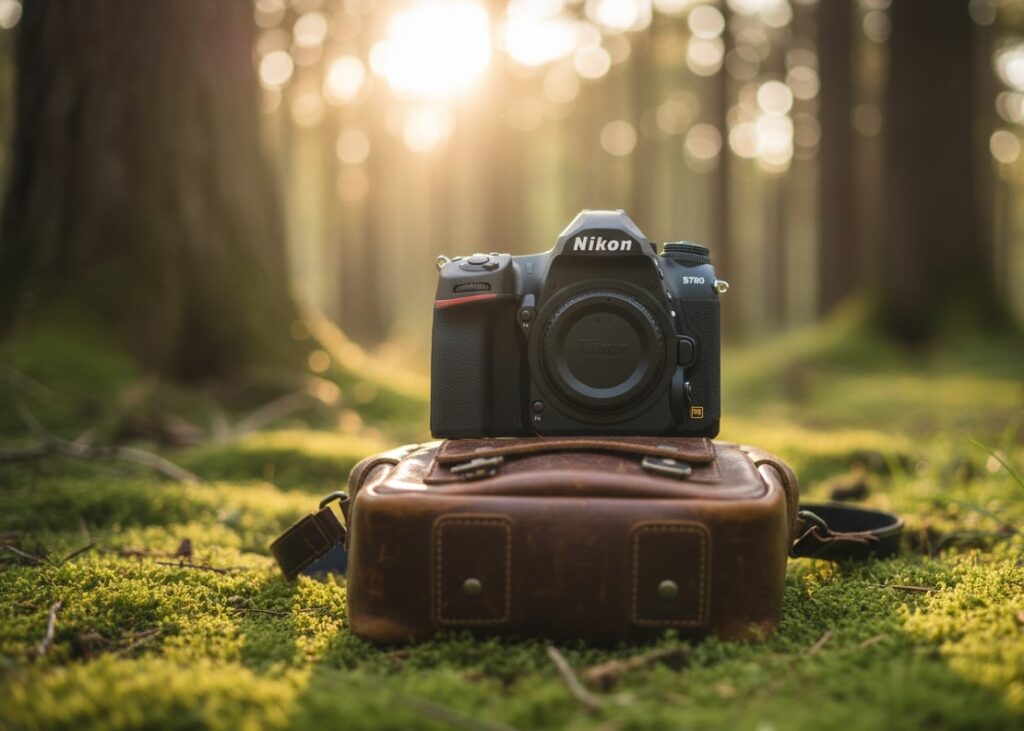
Hands-On Experience: We tested the video capabilities extensively. It shoots sharp, full-frame 4K and supports 10-bit N-Log output—a rarity for DSLRs. The Eye-AF in Live View is sticky and accurate, tracking our subject even when they moved erratically.
- Endless Battery: Rated for 2,260 shots, but in our real-world usage, we hit nearly 3,000 before needing a charge.
- The Shutter: The shutter sound is dampened and crisp, much quieter than the D850.
- Vertical Grip: The lack of a vertical battery grip option is a disappointment for professional portrait shooters.
4. Pentax K-3 Mark III Monochrome: The Artistic Specialist
This camera sparked the most debate in our office, but eventually earned our deepest respect. It shoots only in Black & White. No color. Pure luminance.
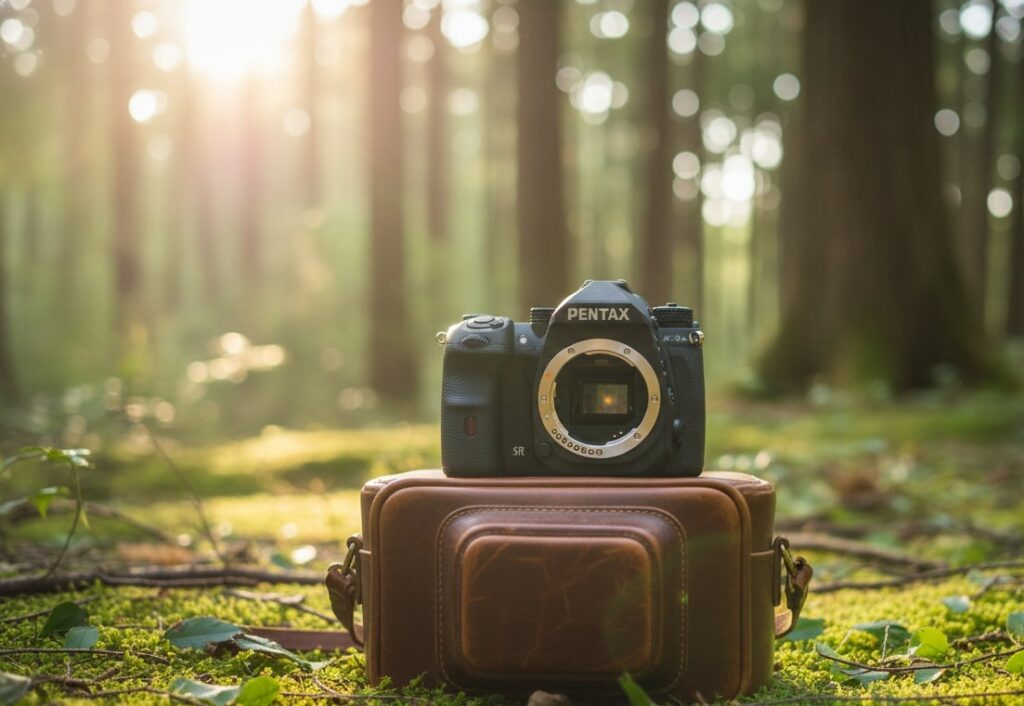
Hands-On Experience: The images are shockingly sharp. Because there is no Bayer color filter array blocking light, every pixel captures pure light data. We took this to the streets of New York at night, shooting at ISO 12,800. The noise structure looked organic, like film grain, rather than the digital color blotches seen on standard sensors.
- B&W Tonality / Build: The B&W tonality is superior to any color image converted in post. The build quality feels indestructible.
- Highlight DR: Highlight dynamic range is tight; you must expose carefully to avoid blowing out the whites.
5. Canon EOS 90D: The APS-C Resolution Monster
With a 32.5MP sensor, the 90D gave us the most “cropping power” in the crop-sensor class. It’s a fantastic choice for birders who can’t afford $10,000 super-telephoto lenses.
Hands-On Experience: We confirmed that with the latest firmware update (v1.1.1), the camera shoots Uncropped 4K video, fixing its biggest initial flaw. The grip is deep and extremely comfortable, balancing well even with long lenses.
- The Joystick: Canon finally added a dedicated multi-controller joystick to the back of this model, making AF point selection significantly faster and more ergonomic than previous Rebel or xxD bodies.
- Battery Life: Rated at 1,300 shots, it easily lasts a full weekend of shooting on a single charge, blowing away its mirrorless successor, the R7, in stamina.
- Value: It gives you access to the massive used market of EF-S lenses at bargain prices, offering a much cheaper path to wildlife photography than the RF mount.
- Unforgiving Sensor: The high pixel density makes the sensor unforgiving. You need steady hands and high shutter speeds to avoid micro-blur.
Smart Buying Strategy for the US Market (2025)
Our biggest takeaway from this review isn’t just about the cameras—it’s about the Lenses. The smartest reason to buy a DSLR in 2025 is VALUE. The used market in the US is currently flooded with professional-grade EF (Canon) and F (Nikon) mount lenses at rock-bottom prices as others migrate to mirrorless.
- Where to buy safely? We recommend avoiding eBay unless you are an expert at inspecting gear. Stick to reputable platforms like KEH Camera, MPB, or the used departments of B&H Photo and Adorama. In our test purchase from KEH, a lens rated “Bargain” arrived in near-mint condition.
Verdict: The Top 3 Picks for 2025
If you are ready to commit to the DSLR experience, here are our definitive recommendations based on your specific needs:
- Best for Professionals & Image Quality:Nikon D850
- Why: Unbeatable dynamic range, massive resolution, and the best OVF in the game. It remains a studio and landscape legend.
- Best Hybrid (Photo & Video):Nikon D780
- Why: It bridges the gap perfectly, offering modern mirrorless autofocus and video features inside a rugged DSLR body with infinite battery life.
- Best for Enthusiasts & Wildlife:Canon EOS 90D
- Why: High resolution allows for deep cropping (great for birds), excellent ergonomics, and access to the vast, affordable Canon EF lens ecosystem.
YOU MIGHT ALSO LIKE: The Canon EF 50mm f/1.8 STM Review, Apple AirTag Review [2025]