There are days when I don’t want my daughter to learn anything new.
I don’t want her to be more productive, more creative, or more accomplished.
Some days, I just want her to feel calm.
My daughter is 8 years old. She’s thoughtful, emotionally sensitive, and like many kids her age, she absorbs more from the world than she knows how to release. After school, after social interactions, after simply trying to “do well,” she often carries quiet tension home with her.
When that tension builds up, screens become an easy escape. Not because she wants the content, but because she needs comfort.
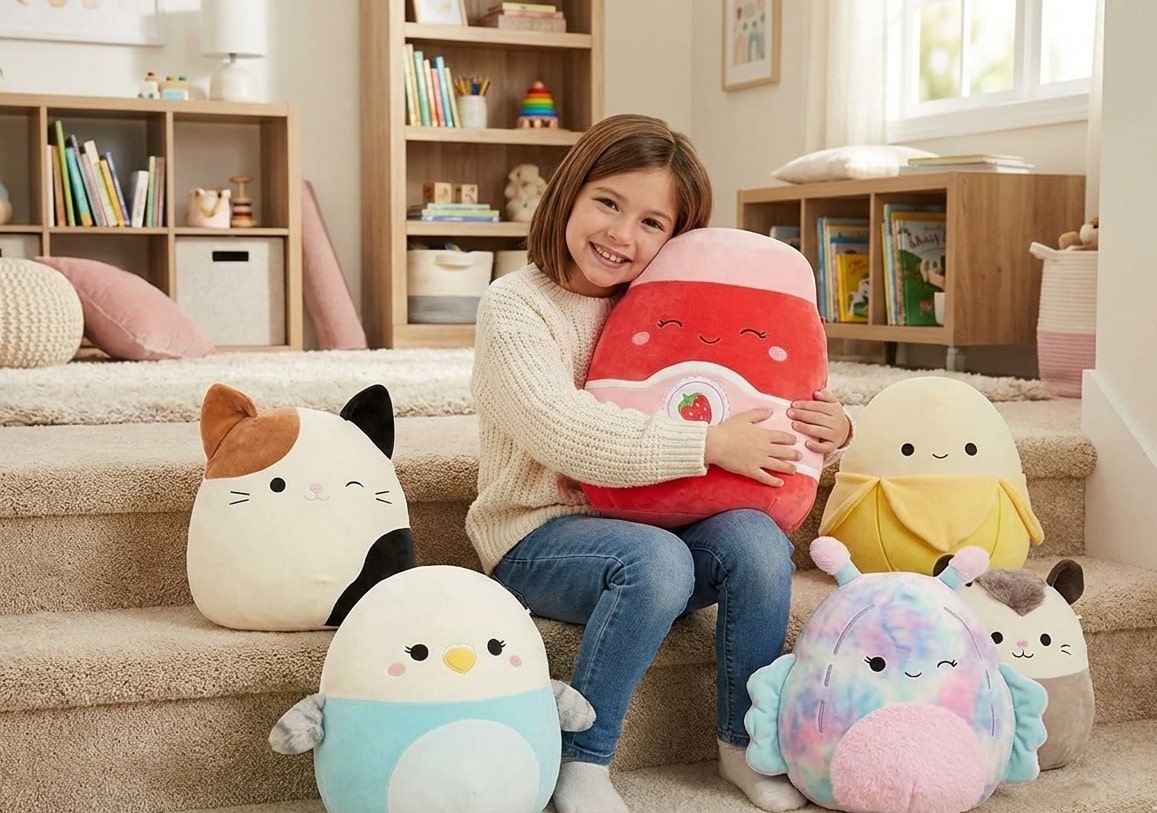
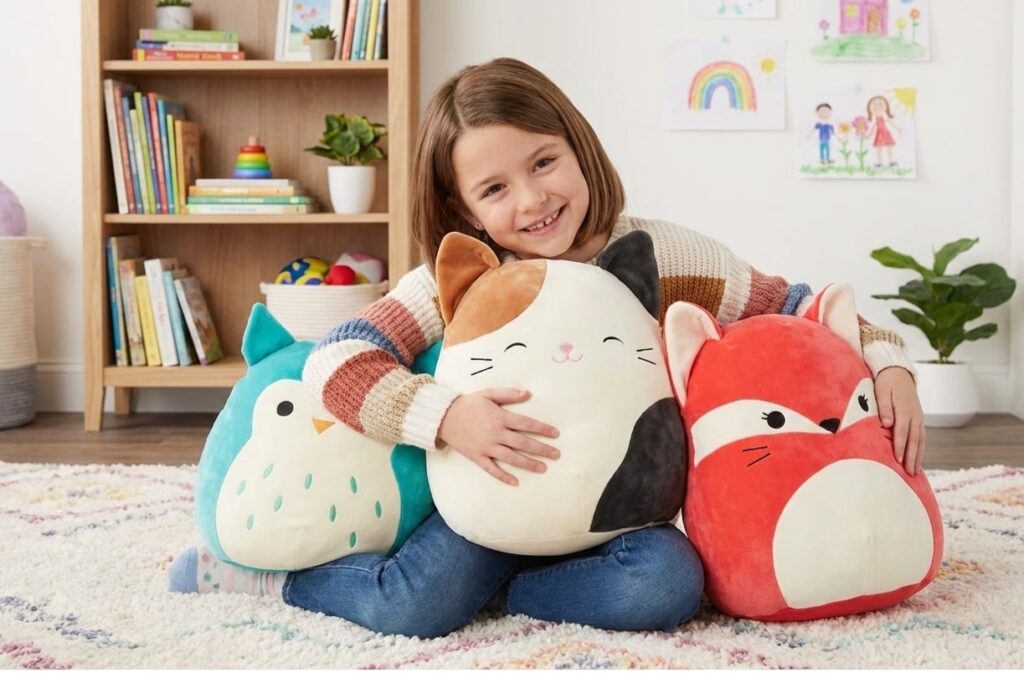
I didn’t buy Squishmallows Original Mystery 3-Pack (8 inch) as a toy to play with.
I bought it as something safe, soft, and emotionally grounding for my daughter.
Advertising Disclosure
Why I Chose Squishmallows for My Daughter (Even Though It’s Not “Educational”)
Squishmallows don’t teach reading.
They don’t teach math.
They don’t promise STEAM skills or developmental milestones.
And that’s exactly why I chose them.
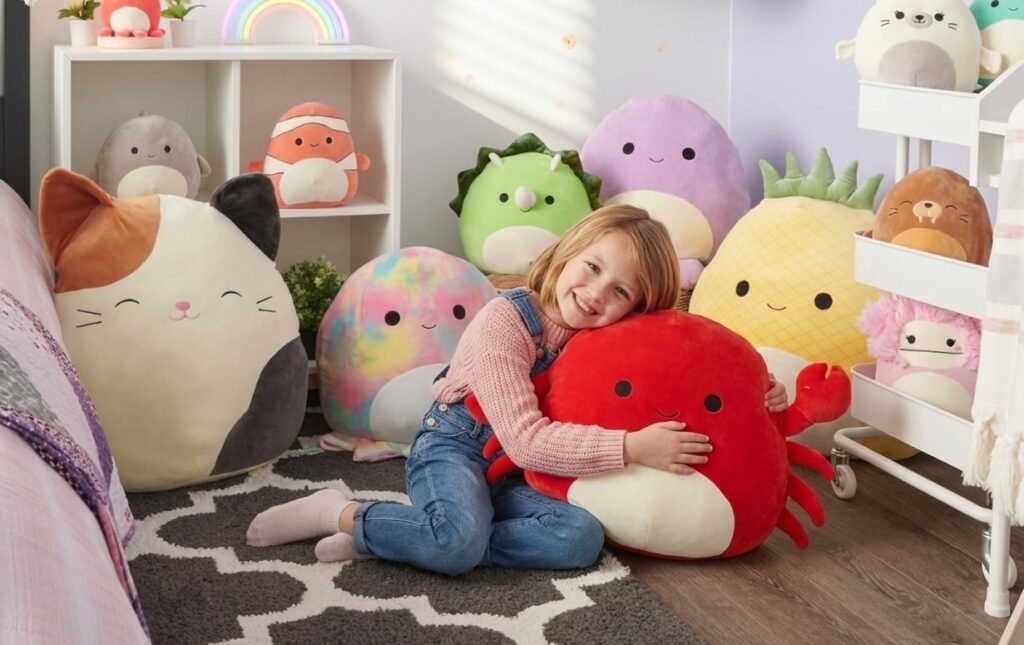
At 8 years old, my daughter already learns all day. What she doesn’t always get is permission to simply rest emotionally. Squishmallows offer something rare: they don’t ask children to do anything.
No rules.
No goals.
No performance.
Just softness.
For a young girl who is still learning how to regulate her emotions, that matters more than I expected.
The Mystery Pack Experience: Gentle Excitement Without Pressure
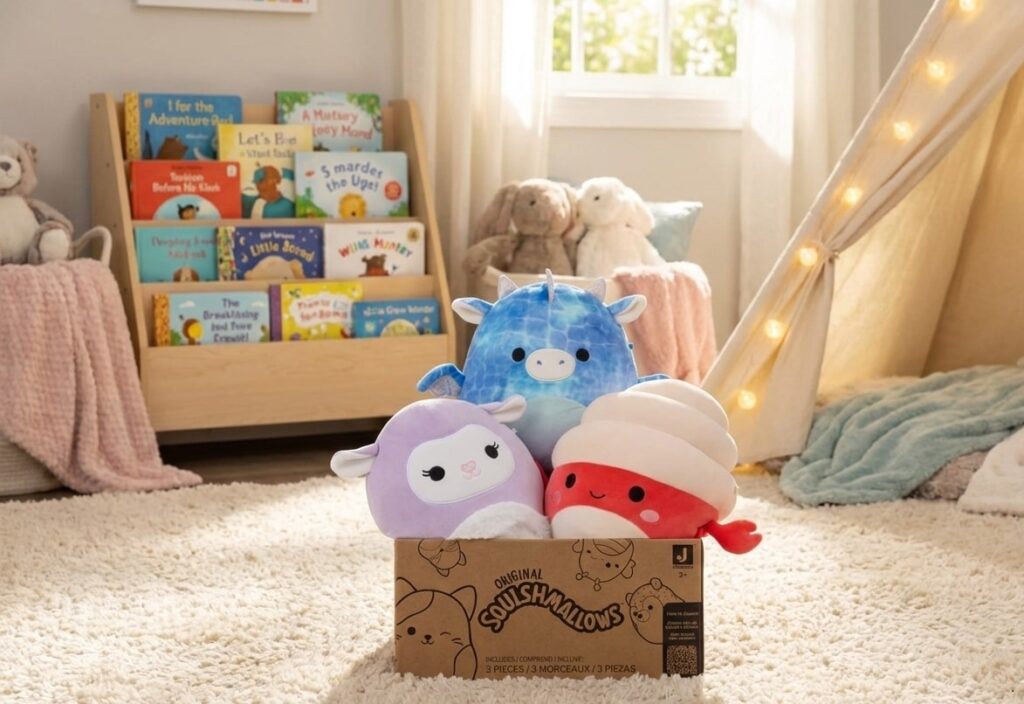
This set comes as a Mystery 3-Pack, meaning my daughter didn’t know which characters she would receive.
I intentionally didn’t hype it up or set expectations. I simply handed her the box and let her open it.
Her reaction was quiet.
No squealing.
No rushing.
No immediate questions.
She picked one Squishmallow up, squeezed it gently, and hugged it to her chest. That was it.
I didn’t need words to understand what she felt. Her body language said enough.
How My 8-Year-Old Daughter Uses Squishmallows in Daily Life
After a few days, Squishmallows naturally became part of her routine:
- She hugs one while reading before bed
- She keeps one beside her when drawing
- She brings one to the couch during calm screen time
She doesn’t treat them like toys with a purpose. She treats them like comfort objects.
She even gave them names, which told me something important: she wasn’t just playing — she was bonding.
How Squishmallows Reduce Screen Time (Without Any Rules)
I never told my daughter to put her tablet away because of Squishmallows.
But I noticed something shift.
She still uses screens — but for shorter periods.
She stops more easily.
She transitions away without frustration.
Squishmallows don’t compete with screens. They replace the emotional need that often drives kids toward screens in the first place: self-soothing.
For my daughter, holding something soft is often enough.
Why the Mystery Aspect Works Especially Well for Girls This Age
One thing I genuinely appreciate about the Mystery Pack is that it removes comparison.
My daughter didn’t choose “the cutest one.”
She didn’t feel pressure to get a specific character.
She accepted what she received almost immediately.
For girls around 7–9 years old, this matters. It quietly teaches:
- Acceptance
- Gratitude
- Attachment without perfection
There was no disappointment — only curiosity.
Squishmallows and Emotional Safety for Young Girls
Some parents worry that comfort toys make girls “too soft.”
My experience has been the opposite.
When my daughter feels emotionally safe:
- She’s less reactive
- She communicates more openly
- She regulates herself better
Squishmallows don’t make her dependent.
They give her a tool for self-comfort — something many adults still struggle with.
That’s a skill, not a weakness.
Where Squishmallows Fit in Our Home (And Where They Don’t)
I don’t use Squishmallows as a replacement for:
- Learning activities
- Creative projects
- Reading or exploration
I use them for:
- Transitions
- After school decompression
- Quiet evenings
- Bedtime routines
If learning is effort, Squishmallows are recovery.
I often share experiences like this on Review by Buyer, where I focus on what products are actually like after they’re brought into real family life — not just how they’re marketed.
Honest Downsides Worth Mentioning
To keep this review fair and trustworthy:
- This is not an educational toy
- You can’t choose the characters in a Mystery Pack
- Some older kids (10–11+) may outgrow the appeal
But for an emotionally sensitive 8-year-old girl, those aren’t dealbreakers.
Final Thoughts as a Parent
I didn’t buy Squishmallows to keep my daughter busy.
I bought them to help her feel calm.
In a world that constantly asks children to do more, be more, and handle more,
sometimes the most valuable thing we can give our daughters is something soft and quiet.
For us, Squishmallows became that.
This video was created using NotebookLM based on the review content from this blog
YOU MIGHT ALSO LIKE: Big Discoveries Dumpster Dice in Toys and Games Category